Edition 2Life beyond Earth

Stellar Times

All you need to know about humanity’s journey to the Moon, Mars, and beyond

The whole edition in about 90 secondsJust right: the stories, with extras foldedAll open, deeper captions, terms, sources

The Lead · Life Beyond Earth

NASA’s Chief Likes the Odds That Mars Once Had Life.

NASA’s chief sees “a very good chance” that Mars samples will show past life, but the US plan to bring them home is cancelled. Estimate: China’s Tianwen-3 brings the first Mars rock to a lab on Earth.

Key date2031 China’s Mars samples due on Earth (China target)

NASA’s 15th administrator, Jared Isaacman, says there is “a very good chance” that Mars samples will show microbial life lived there once. The hard part is getting the samples to Earth. The program to bring Perseverance’s samples to Earth was cancelled in January.
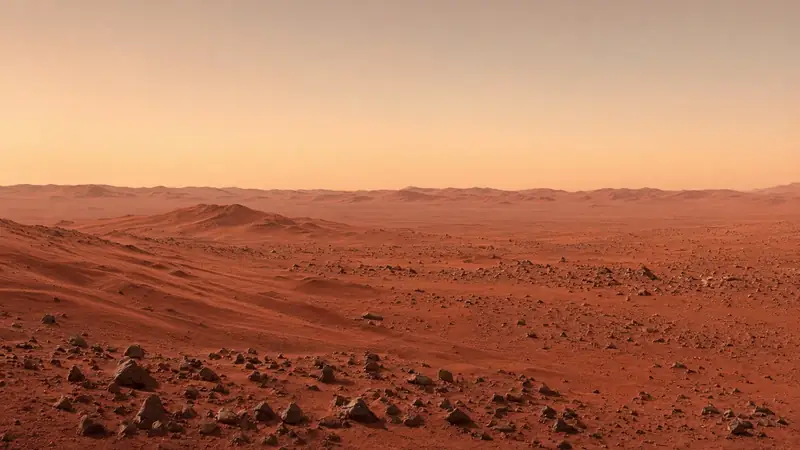
Illustration of an empty rocky Martian plain at dusk
Illustration. Not a mission photo. The samples Perseverance collected are still on Mars.

What happened

Isaacman made the claim on Pod Force One, the NY Post’s podcast, on 08/05/2026. He sees “a very good chance” of proving that microbial life once existed on Mars, with samples brought back to Earth. The Post’s write-up has those samples back in the next decade or so.

In April, during Artemis II, he told CNN: “I would say the odds that we will find something at some point to suggest that we are not alone are pretty high.” He pointed to the two trillion galaxies out there. The search, he said, “goes to the heart of many things that we do at Nasa.”

Why it matters

A yes would mean life once existed on a second world in our solar system. Proving it needs Mars rock in a lab on Earth, and no US mission to bring that rock back is funded today.

Congress’s FY2026 appropriations “does not support the existing Mars Sample Return (MSR) program.” The bill kept $110 million for Mars Future Missions technology. On 04/27/2026 Isaacman told House appropriators the mission “was conceived to cost up to $4 billion and in just a few years ballooned to over $10 billion, with $2 billion in taxpayer funds already spent.” He called the cancellation rightful: “This is not good capital allocation or execution.”

China has its own plan. Tianwen-3 aims to launch around 2028 and return samples in 2031 (China target). The mission’s chief scientist calls signs of life its top goal. China expects to pick the landing site by the end of 2026 (Xinhua).

How it works

A rover cannot prove life. It can only find clues. Scientists call a strong clue a potential biosignature: something life might have made, which needs more study before anyone can say yes or no.

The best clue so far is the “Sapphire Canyon” sample. Perseverance drilled it in July 2024 from a rock called “Cheyava Falls,” in an old dry riverbed in Jezero Crater. NASA called it a potential biosignature on 09/10/2025 (NASA).

The rock has small “leopard spots.” They hold two iron minerals, vivianite and greigite, next to organic carbon. On Earth, some microbes make this pair when they get energy from chemistry. Chemistry without life can make it too, for example with high heat or acid. Cheyava Falls shows no sign of either. To tell life from chemistry, scientists need instruments far more sensitive than any rover carries.

Perseverance keeps driving. On 09/28/2026 it was about 100 feet short of Opportunity’s 28.06-mile record for driving on another world (KCRA). Farther out, Europa Clipper is not a life-detection mission. It will check whether Europa’s ocean has the ingredients and energy for life (NASA). It reaches Jupiter on 04/11/2030 (NASA target).

Estimate

The first Mars rock to reach a lab on Earth will most likely be China’s, from Tianwen-3. The signal of a US comeback: a sample-return line in the final FY2027 budget.

“A very good chance”
On proving past life on Mars with returned samples · Pod Force One · 08/05/2026 · NY Post
“The odds that we will find something … are pretty high.”
CNN State of the Union · 04/05/2026 · CNN
“Ballooned to over $10 billion”
On Mars Sample Return, to House appropriators · 04/27/2026 · Testimony

The Orbit Dial

Mars Transfer Windows

Earth laps Mars about once every 26 months. A ship leaves when Mars is about 44° ahead, so Mars reaches the meeting point when the ship does. Step through it, then explore.

DateOct 202610/04/2026

Mars leads Earth by76°Textbook launch: about 44°

Earth and Mars on their orbits around the Sun, to scale, for the date on the slider

Earth to Mars1.64 AU13.6 light-minutes

Launch windowOpenCheapest launch 10/29/2026

Open 09/23/2026 to 12/08/2026. NASA’s ESCAPADE twins are using this window: they loop back past Earth this fall and slingshot to Mars, arriving 09/2027 (NASA target).

Calc. planet positions from JPL’s approximate orbital elements3 (good to about a minute of arc here; checked against JPL Horizons), drawn to scale (1 AU is the Earth-Sun distance, about 150 million km) and flattened onto one plane; Mars’ tilt of about 1.85° is left out. Purple bands mark windows where the cheapest trip needs a launch energy (C3)1 of 20 km²/s² or less, from a simple two-body Lambert solve2 on the same orbits; it gives 14.4 for Perseverance’s 2020 trajectory, against 14.49 flown (ULA). The dashed line is the textbook half-ellipse path; the hollow circle is where Mars would be when a ship on it arrives. Dots on the track are estimates. Time on the dial is sped up for the animation; when a window opens the dial pauses briefly, the transfer path blinks, and decorative rockets ride the textbook path (not a real launch timeline). Little guys and rockets not to scale (or real).
Dig inCloseWho he is, what MSR cost, what is left, what to watch

Context

Isaacman was nominated 11/04/2025, confirmed by the Senate 12/17/2025 (67 to 30) and sworn in 12/18/2025. He was still in the job this week: a WESH interview after the Crew-13 launch on 10/01/2026, and the Boeing and NASA Starliner update on 09/28/2026.

The numbers

  • Up to $4 billion MSR’s original cost, in Isaacman’s testimony
  • Over $10 billion what it grew to, “in just a few years”
  • $2 billion already spent, same testimony
  • $110 million kept for Mars Future Missions technology, FY2026
  • Around 2028 / 2031 Tianwen-3 launch and return (China target); landing site due by the end of 2026
  • 28.06 miles Opportunity’s record for driving on another world; Perseverance was about 100 feet short on 09/28/2026
  • 04/11/2030 Europa Clipper at Jupiter (NASA target)

Why it matters

For Isaacman, the strongest way to prove past life is Mars rock on Earth, and no funded mission can bring those samples to Earth today. Clipper and Dragonfly can show whether ocean worlds have what life needs. Neither is built to detect life itself.

What to watch

  • Money. NASA runs on a stopgap at its FY2026 level, $24.4 billion, until 12/11/2026. The White House asked for $18.8 billion for FY2027, and the House bill would trim science from $7.3 billion to $6 billion (SpacePolicyOnline). A sample-return line in the final bill is the signal to watch
  • Perseverance passing Opportunity’s driving record, any day now
  • Europa Clipper’s Earth flyby on 12/03/2026 (NASA target)
  • Dragonfly’s launch window, 07/05 to 07/25/2028 (NASA target)

Sources

NASA, 12/18/2025 · CNN, 12/17/2025 · WESH, 10/01/2026 · Boeing, 09/28/2026 · Pod Force One · 08/05/2026 · NY Post, 08/05/2026 · The Guardian, 04/05/2026 (quote text) · Space.com, 01/2026 · Live Science · House testimony, 04/27/2026 · NASA, 09/10/2025 · NASA Clipper FAQ · KCRA, 09/28/2026 · Xinhua, 09/04/2026 · SpacePolicyOnline, 09/03/2026

Feature · 2026 to 2032

Space Exploration Forecast: 2026 to 2032

Robots go first — lunar south pole, Mars’s moons, Jupiter, Titan. Estimate: a crew walks on the Moon again in Sep 2028, and on Mars in Jun 2029. Between those dates sit the hard ops: ship catch, propellant refill, lander readiness, and the 26-month Mars window.

Key dates09/15/2028 crew on the Moon · 06/28/2029 crew on Mars (estimates)

The next five years read less like a trailer and more like a build sequence. Uncrewed ships go first: Chang’e-7 and Blue Moon Mark 1 toward the lunar south pole, JAXA’s MMX to Phobos and Deimos, Europa Clipper toward Jupiter, Dragonfly toward Titan. People follow in Earth orbit in 2027 (NASA target), walk on the Moon again in Sep 2028 (estimate; NASA targets 2028), and — if the windows and the hardware hold — land on Mars in Jun 2029 at Arcadia Planitia (estimate).

What has to go right is mostly operational. Starship still has to catch a returning ship at the tower (Flight 15, late Nov 2026, estimate), then transfer propellant in orbit before any Mars or heavy Moon shot. Artemis needs a lander ready when Orion is. Blue Moon Mark 1 waits on New Glenn flying again and pad recovery. China already slipped Chang’e-7 off its 2026 window. Mars only opens about every 26 months, so a missed departure is a two-year wait. Sample return is politics now: the US program was cancelled; China’s Tianwen-3 targets a 2031 return.

Next steps look like: prove catch and partial refill this fall, fly one uncrewed Starship toward Mars in the Dec 2026 window (land Jul 2027, estimate), put an uncrewed Starship on the Moon in Apr 2027 (estimate), then stack crew missions on what those demos teach. The year lists below are the scorecard — agency and company targets labeled as targets, estimates labeled as estimates.

Why it matters

These flights decide who learns to land, stay, and leave again — and who gets the first solid answers about water at the south pole, samples from Mars’s moons, and whether a crew can live off-Earth for months. Agencies and investors are betting on the same chain: catch, refill, lander, then people.

How it works

Physics sets the calendar. Mars transfer windows open about every 26 months; miss one and you wait for the next. Dragonfly’s Titan window is 07/05 to 07/25/2028 (NASA target). Anything heavy enough for Moon or Mars cargo also needs orbital propellant transfer — tankers fill a ship in Earth orbit before it leaves. That is why ship catch and refill sit at the front of the list: without them, the later dates stay on paper.

Estimate

Flight 15 ship catch late Nov 2026. One uncrewed Starship leaves for Mars in Dec 2026 as a small landing demo and lands in Jul 2027. An uncrewed Starship lands on the Moon in Apr 2027; a crew follows in Sep 2028. The first crew leaves for Mars in Dec 2028 and lands in Jun 2029. Chang’e-7 launches Mar 2027, lands Jun 2027. Blue Moon Mark 1 in fall 2027, once New Glenn flies again. Each step depends on the one before it holding.

  1. 2026
  2. 10/19 · JAXA target MMX launches on H3 for Phobos and Deimos, a sample return
  3. 11/18 · NASA Voyager 1 reaches one light-day
  4. Late 11/2026 · Estimate Starship Flight 15 makes the first ship catch at the launch tower
  5. 11/27 · Estimate the first propellant transfer between two Starships, a partial refill for the Mars demo
  6. 12/01 · Estimate one uncrewed Starship launches for Mars, a small landing demo near the end of this window
  7. 12/03 · NASA target Europa Clipper Earth flyby
  8. 12/2026 or 01/2027 · NASA/Boeing target uncrewed Starliner-1 to the station; crewed Starliner-2 in 2028 (NASA target)
  9. By year end · Company target Amazon Leo limited commercial service
  10. Q4 · ISRO target Gaganyaan G1, uncrewed
  11. 2027
  12. 03/2027 · Estimate Chang’e-7 launches for the lunar south pole, after China called off its 2026 window
  13. 04/2027 · Estimate an uncrewed Starship lands on the Moon (SpaceX targeted 03/2027)
  14. Early 2027 · Company targets Vast Haven-1, Stoke Nova first orbital try, Google’s two-satellite Suncatcher
  15. Summer · NASA target Artemis III: Orion with commercial landers in Earth orbit
  16. 2027 onward · NASA target uncrewed landers and rovers to the south pole, “near monthly”
  17. 06/2027 · Estimate Chang’e-7 lands, after about three months scouting from orbit
  18. 07/2027 · Estimate the first Starship lands on Mars
  19. 09/2027 · NASA target ESCAPADE arrives at Mars
  20. Fall 2027 · Estimate Blue Moon Mark 1 lander with two NASA payloads (01/2027 on NASA’s list), once New Glenn is flying again
  21. Q4 · SpaceX target first Starmind AI1 orbital compute satellites
  22. 2028
  23. 2028 · NASA target Artemis IV: astronauts on the Moon (estimate: 09/2028, in a Starship)
  24. 07/05 to 07/25 · NASA target Dragonfly launches for Titan, arriving 2034
  25. 2028 · China target Tianwen-3 launches for Mars samples, return 2031
  26. 12/2028 · NASA target SR-1 Freedom to Mars, carrying three SkyFall helicopters
  27. 12/01/2028 · Estimate cargo ships with power, a propellant plant and habitats leave for Mars
  28. 12/15/2028 · Estimate the first crew launches for Mars
  29. 2029
  30. 06/2029 · Estimate the first people step onto Mars, at Arcadia Planitia
  31. 2030 and 2031
  32. By 2030 · China target first Chinese crew on the Moon
  33. 04/11/2030 · NASA target Europa Clipper at Jupiter
  34. 07/21/2031 · ESA nominal Juice at Jupiter
Dig inCloseSources for every line

Feature · Compute in Orbit

The First Data Centers Above the Clouds Are About the Size of a Fridge

New, Oct 2026: Google’s first TPUs are computing in orbit, and Google’s own paper estimates about 1,800 Starship launches before launch is cheap enough to rival ground power costs. The first orbital computers are fridge-scale — about 1 kW each. Estimate: about 1 GW in orbit by the end of 2030. The ceiling is heat: space has no air to cool chips, only radiators.

Key numberAbout 1 GW in orbit by the end of 2030 (estimate)

On the ground, AI needs power plants, land, and water or air for cooling. In orbit you get steady sunlight and room to grow — but every watt the chips use becomes heat you have to shine away as infrared. Today’s tests are tiny: Google’s Suncatcher (10/01/2026) runs about 1 kW in 15-minute bursts while the radiators catch up. Starcloud-1 trained a small model with one GPU. The dream is fleets; the ops reality is mass to orbit, radiator area, and chips that survive radiation.

What is likely: more fridge-scale demos through 2027, then SpaceX’s Starmind AI1 birds (175 kW average a satellite, first launches Q4 2027, SpaceX target) if Starship cadence and manufacturing hold. The largest filings ask for up to 1 million satellites (SpaceX, accepted for filing, not approved) and 51,600 (Blue Origin’s Project Sunrise). What has to go right is boring and hard: launch cost down, radiators that keep up, and enough tanker and pad time left after Moon and Mars traffic.

Next steps look like reading Suncatcher’s first results, watching Starcloud-2’s date, and any FCC action on the big constellations. The ladder below scales from one GPU to a gigawatt a year of new compute.

Why it matters

If serious computing moves upstairs, the bottleneck on AI shifts from power permits and land to launch cadence and how fast you can radiate heat. That is a different industry map — and it shares pads with the Moon and Mars stack.

How it works

An orbital data center is a satellite with chips, big solar panels, and big radiators. Chips turn power into heat; with no air or water, radiators dump that heat as infrared light. That is why early tests burst and idle. Radiation also flips bits in off-the-shelf chips, so error handling and shielding matter as much as raw flops.

Estimate

About 1 GW of computing in orbit by the end of 2030 (base case) — a little under SpaceX’s 1.4 GW ground AI nameplate as of 06/30/2026. Low case: today’s tests never become fleets. High case: most of the big plan arrives about a year late. Heat and launch mass, not demand, are the hard limits in this window.

  1. 1 GPUStarcloud-1, one Nvidia H100 (an AI chip), 11/2025
  2. About 1 kWGoogle’s Suncatcher test, four TPUs (Google’s AI chips), 10/01/2026
  3. 1.5 kW a satelliteTakeMe2Space, two laser-linked satellites, late 2028 (company target)
  4. 175 kW a satelliteSpaceX AI1, average compute, first launches Q4 2027 (SpaceX target)
  5. 1 GW a yearSpaceX’s goal for new compute launched each year by the end of 2027, then 10 times more each year

How many launches is a gigawatt

Context: 1 GW is about 2% of today’s global data-center electricity draw. The IEA puts data centres at about 485 TWh in 2025 (~55 GW average: 485 ÷ 8,760), up from 415 TWh (~47 GW) in 2024 (IEA, Key Questions on Energy and AI). So one gigawatt in orbit is a small slice of Earth’s data-center fleet — and about three-quarters of SpaceX’s own 1.4 GW ground AI nameplate as of 06/30/2026 (SpaceX Q2, SEC). Move the sliders to see how many Starship launches that takes.

133 launches for 1 GW (7.5 MW a launch)

Calc: launches = 1,000,000 kW ÷ (payload tons × kW per ton). Defaults: Starship V3’s 100+ t design figure (not yet shown: Flight 14 reached orbit on 09/28/2026 with 26 V3 Starlinks, and SpaceX gave no payload mass) and SpaceX’s 75 kW per ton for AI1 (Starmind page, 10/04/2026). SpaceX’s own 100 GW math works out to 100 kW per ton.

Simplifications: nameplate compute power, not sustained after radiator limits; assumes every ton is AI1 payload; ignores tanker flights needed to refill the Mars/Moon ships that share the pads.

Oct 2026 · Reported: Google’s first TPUs reached orbit on 10/01/2026 on a Planet-built prototype satellite that flew on a Falcon 9, and they run in roughly 15-minute bursts to protect power and heat. Next: two laser-linked satellites in 2027 (Google target), and long term an 81-satellite formation. Google’s own estimate (peer-reviewed white paper, due in Joule): launch prices near $200/kg by about 2035 would take about 370,000 t more to orbit, or about 1,800 Starship launches at 200 t each. That figure is Google’s, not this page’s. Calc, against the sliders: 1 GW at the defaults is 133 launches of 100 t; Google’s 370,000 t at 75 kW per ton would be about 28 GW. For comparison, Cowboy Space Corp plans an Apr 2027 mission running Nvidia GB200 chips in orbit (company target). (The AI Insider, 10/05/2026 · Joule)

Flying now or just launched

  • Starcloud-1 launched 11/2025 and trained a small language model in orbit.
  • Axiom Space launched its first two orbital data center nodes on 01/11/2026 with Kepler’s optical relays.
  • ADA Space (China) has 12 “Three-Body” computing satellites up; the company plans 2,800 compute satellites by 2035.
  • Supercomputing-1 (China) launched 09/20/2026 to process its own Earth pictures in orbit.
  • Google Suncatcher launched 10/01/2026 with Planet: four TPUs, about 1 kW, running Gemini in 15-minute bursts while the radiators catch up.
  • TakeMe2Space MOI-1a (India) was scheduled on the same 10/01/2026 rideshare.

Announced, owner on every date

  • SpaceX Starmind AI1: first launches Q4 2027 (SpaceX target); deployment “as early as 2028” (SEC filing). FCC application for up to 1 million satellites, accepted for filing 02/04/2026, not approved.
  • Blue Origin Project Sunrise: FCC application for up to 51,600 satellites; NASA filed concerns in 05/2026. No date or power figure found.
  • Starcloud: an AI payload to lunar orbit on Firefly’s Elytra, NET 2028 (company target).
  • Aetherflux: commercial operation Q1 2027 (company target).
  • TakeMe2Space: two 1.5 kW satellites with 10 Nvidia Thor GPUs each, late 2028 (company target).
  • Anthropic will study using SpaceX orbital data centers. Exploratory, no contract disclosed.
Dig inCloseThe hard parts, the specs, sources

The hard parts

Heat has to be radiated away, since there is no air or water to carry it (Google runs 15-minute bursts; SpaceX lists radiators, vapor chambers and loops). Radiation flips bits in off-the-shelf chips. Launch mass is the biggest limit: SpaceX’s own math is about 1 million tons a year to orbit for 100 GW a year. NASA’s administrator, 08/05/2026: “I would not bet against the orbital data centers.”

The numbers

  • 250 kW peak / 175 kW average AI1 compute per satellite, SpaceX Starmind page as fetched 10/04/2026
  • 75 kW per ton same page; an 08/25/2026 report quoted 70, so the published spec has grown since August
  • 1.4 GW SpaceX’s ground AI compute, nameplate, 06/30/2026 (SEC)

What to watch

First results from Google’s test, Starcloud-2’s date, and any FCC action on the SpaceX and Blue Origin filings.

Sources

CNBC, 12/10/2025 · Axiom · Kepler · Xinhua, 04/25/2026 · Tom’s Hardware, 09/23/2026 · Google · NPR, 10/02/2026 · Business Standard, 09/28/2026 · SpaceX Starmind · MLQ, 08/25/2026 · FCC · Reuters, 01/31/2026 · Tom’s Hardware, 06/09/2026 · SpaceNews, 05/07/2026 · DCD, 05/12/2026 · SpaceNews on Blue Origin · GeekWire, 09/30/2026 · Starcloud · Aetherflux · SpaceX Q2 release, SEC · The AI Insider, 10/05/2026 · Google white paper, Joule · El País, 10/05/2026 · China Daily, 10/06/2026

Tonight · Play With It

What Time Is It on Mars

A Mars day runs about 40 minutes longer than ours, and a radio message takes minutes to get there. Play with the clocks below.

Key number24 h 39 m 35 s one day on Mars

A day on Mars, a sol, is 24 hours, 39 minutes, 35.244 seconds. So a Mars clock falls about 40 minutes behind ours every day. Coordinated Mars time is one clock for the whole planet, like greenwich time on Earth. A radio message to Mars takes about 13.6 minutes one way today.

Coordinated Mars time

Live

At Jezero Crater, Perseverance’s home (local mean solar time)

Live

Mars sol date

Live

Uses NASA GISS’s Mars24 algorithm. Jezero sits at about 77.5° east (NASA); the rover’s own mission clock can differ by minutes.

Light-delay calculator

13.6 minutes one way

Send it now and it arrives at about 7:44 a.m. ET. A reply would land around 7:57 a.m.

One-way light time at noon ET, 10/04/2026, calc from JPL Horizons. Values are fixed for this edition.

Projections · Projection, Not a Forecast of Record

How Much Computing Could Be in Orbit, and How Much of the Internet Comes From Space

Base case for 2030: about 1 GW of computing in orbit, and satellites serve about 1 in 65 people online, up from about 1 in 270.

Key numberAbout 1 in 65 people online served from orbit in 2030 (base case)

Compute in orbit, megawatts at year end projectionCumulative payload power, all operators, log scale. Low, base and high cases.

2030, base: 1,000 MW (1 GW) · Low 20 · High 15,000

Share of the internet served from space projectionThe rest comes over the ground: fiber, cable, cell towers. Direct-to-phone satellite service is left out.

2030, base: space 1.49% · Ground 98.51%

MoreHow to read the charts, and the assumptions
Dig inCloseAssumptions, anchors, the full tables, sources

Compute: anchors and math

Anchors: Starcloud-1, one H100 (2025) · Google test about 1 kW (10/2026) · TakeMe2Space 1.5 kW a satellite (2028) · Starcloud-2 (2027, company target) · SpaceX AI1 175 kW average a satellite, first launches Q4 2027 (SpaceX target), “as early as 2028” (SEC), “meaningful amounts” by 2029 (SpaceX CFO) · Starship V3 designed for 100+ t to low orbit (design figure; Flight 14 reached orbit with 26 V3 Starlinks and no published payload mass).

Launch math: one Starship with 100 t of AI1 satellites at 75 kW per ton is 7.5 MW a launch, so 1 GW is about 133 launches carrying only compute. SpaceX’s own figure, 100 GW a year from about 1 million t a year, works out to 100 kW per ton.

Year endLowBaseHighWhat has to be true for base
2025Under 0.01About 0.010.01Starcloud-1 plus China’s 12 compute satellites (order of magnitude only)
20260.010.030.05Google, Supercomputing-1, TakeMe2Space, more Three-Body satellites, each about 1 kW class
20270.05250Starcloud-2, Aetherflux, Google’s pair, about 10 AI1 satellites in Q4 (1.75 MW)
2028140500About 230 AI1 satellites, 5 to 6 Starship launches
202952503,000About 33 compute launches in total
2030201,00015,000About 133 compute launches in total; Starship flying weekly or better
2031502,50040,000Second-generation satellites, more operators

SpaceX’s stated aspiration implies far more (10 GW a year around 2029, 100 GW a year around 2030). It is shown as context, not as a case.

Internet: anchors and assumptions

Anchors: 6.0 billion people online in 2025, 74% of the world, 2.2 billion offline (ITU) · 7.3 ZB fixed and 1.5 ZB mobile traffic in 2025, growing about 16% and 19% a year (ITU) · Starlink 8.9M subscribers at end 2025 and 12.0M at 06/30/2026 (SpaceX Q2, SEC) · Forecasts: TMF 35M+ to 45M+ in 2030, Deutsche Bank 102M by 2031 · US fixed broadband 711 GB a month (OpenVault, Q2 2026).

Assumptions: 2.5 people per satellite subscription · Internet users grow 3.3% a year · An average satellite subscription uses 400 GB a month in 2025, rising 10% a year · Yearly traffic uses the average of start and end subscribers · Direct-to-phone satellite service is excluded.

Year endSatellite subs, low / base / highPeople, baseUsers from space, low / base / highTraffic from space, low / base / high
20258.9M (actual)22M0.37%0.36%
202616 / 18 / 19M45M0.65 / 0.73 / 0.77%0.64 / 0.69 / 0.72%
202721 / 25 / 30M62M0.82 / 0.98 / 1.17%0.90 / 1.05 / 1.19%
202826 / 31 / 45M78M0.98 / 1.17 / 1.70%1.08 / 1.28 / 1.72%
202930 / 36 / 65M90M1.10 / 1.32 / 2.38%1.21 / 1.45 / 2.38%
203036 / 42 / 88M105M1.27 / 1.49 / 3.12%1.35 / 1.59 / 3.13%
203140 / 48 / 105M120M1.37 / 1.65 / 3.60%1.47 / 1.74 / 3.72%

Base: TMF’s 2030 midpoint (40M) plus about 2M for Amazon Leo and others. High: Deutsche Bank’s path to 102M by 2031 plus others. Capacity is not the limit on share in this window; subscribers are.

Sources

SpaceX Starmind · SpaceX Starship · SpaceX Q2 release, SEC · MLQ, 08/25/2026 · ITU users · ITU traffic · SatNews, 06/07/2026 (TMF) · Advanced Television, 07/29/2026 · OpenVault, 07/22/2026. Projections are labeled.

The Briefs · 15 Stories, Current and Upcoming

Around the Industry This Week

15 short stories: crewed dates, Moon and Mars landers, computers in orbit, new money for rockets, and internet from space.

Key dateSummer 2027 Artemis III, a crew docking in Earth orbit (NASA target)

People on the calendar

NASA’s two crewed targets: Artemis III in 2027 and the first crewed Starliner-2 flight in 2028. Why it matters: crewed dates drive budgets and contracts for years.

  1. NASA promised an “Artemis acceleration” update for early October, and the administrator says he is “very confident” in summer 2027 for Artemis III (NASA target). No update was out as of early 10/04

    09/23 and 10/01/2026 · Payload · WESH · NASA architecture

  2. Starliner gets another try: uncrewed to the station in December or January (NASA/Boeing target), then a crewed flight under Woody Hoburg in 2028 (NASA target)

    09/28/2026 · Boeing · SpacePolicyOnline · Space.com · Spaceflight Now

Moons, near and far

Uncrewed missions go first: Chang’e-7 to the lunar south pole, MMX to Mars’ moons. Why it matters: the south pole may hold water ice, which crews could use for air, water and fuel.

  1. China called off Chang’e-7’s 2026 launch window, and NASA’s chief says the US “may have dodged a bullet” at Shackleton Crater

    08/23 and 09/23/2026 · Xinhua · Ars Technica, 08/23 · Ars Technica, 09/24

  2. Estimate: Chang’e-7 launches in 03/2027 and lands near the south pole in 06/2027, two months after an uncrewed Starship’s first Moon landing. Blue Moon Mark 1 (January 2027 on NASA’s list) follows in fall 2027

    09/24/2026 · Ars Technica · NASA · NASA CLPS (commercial Moon deliveries)

  3. Japan’s MMX leaves for Mars’ moons on 10/19 ET (JAXA target), to bring a piece of Phobos home: the first sample return from the Mars system

    Launch 10/19/2026, 3:41 p.m. ET · JAXA · JAXA mission · NASA

Computers in orbit

From Google’s fridge-sized test to plans for thousands of compute satellites. Why it matters: heat is a hard limit on computing in orbit. Each test shows how well a satellite sheds it.

  1. Google’s first orbital data center test is up and “operating as expected”: four TPUs, about 1 kW, 15 minutes of work at a time (Ars)

    10/01/2026 · Google · Ars Technica · NPR

  2. A data center for the Moon: Starcloud’s AI payload rides Firefly’s Elytra to lunar orbit, NET 2028 (company target)

    09/30/2026 · GeekWire

  3. India’s TakeMe2Space books two laser-linked compute satellites on Falcon 9 for late 2028 (company target)

    09/28/2026 · Business Standard

  4. China launched Supercomputing-1, a satellite that processes its own Earth pictures before sending them down, its third orbital compute effort

    09/20/2026 launch, 09/23 report · Tom’s Hardware · China in Space

  5. SpaceX aims for Q4 2027 for its first orbital compute satellites on Nvidia’s Vera Rubin, and its SEC filings say “as early as 2028”

    08/24/2026 · Nvidia · SpaceX Starmind · MLQ, 08/25 · FCC

Follow the money

About $1.56 billion of new money in September for rockets, tugs and reentry (sum: $1 billion + $251 million + $308 million). Why it matters: cheaper rides make every later step cheaper.

  1. Stoke raised $1 billion for a fully reusable rocket and aims for its first orbital try in early 2027 (company target)

    09/08/2026 · Stoke Space

  2. Varda raised $251 million to process drugs in orbit and fly them home at Mach 25

    09/30/2026 · PR Newswire

  3. Impulse Space added $308 million, taking its Series D to $808 million as its backlog grows

    09/16/2026 · Reuters · Impulse · SpaceNews

Internet from above

Starlink doubled its subscribers in a year; Amazon Leo has not started service yet. Why it matters: satellites reach places cables do not, and about 2.2 billion people were still offline in 2025.

  1. Amazon Leo still plans limited service by year end (company target), after launch delays slowed the build-out

    09/10/2026 · SpaceNews · PCMag · GeekWire

  2. Starlink doubled in a year to 12.0 million subscribers. Average revenue per user fell to $66 from $85 a year earlier, and held there from the first quarter

    08/04/2026 (Q2) · SpaceX Q2 release, SEC

  3. About 11,100 Starlink satellites are working right now (10/02/2026). Most fly in thin shells about 460 to 490 km up - close enough for a short radio hop. The piece below starts with latency, then builds the fleet one step at a time.

    Meet the fleet, shell by shell ↓

Baa’s Bets · 23 Calls, 0 Graded So Far

The Biggest Calls, With Dates

The headline bet is first humans on Mars 06/28/2029, after the first crew on the Moon in a Starship 09/15/2028. Each call gets a grade when its date comes.

The headline bet low

Baa’s bet: first humans on Mars 06/28/2029

2 years, 8 months, 24 days 998 days from today in ET

WhyThe first crew launches 12/15/2028 and makes about a 6-month trip. NASA’s ice map puts water less than a foot down at Arcadia Planitia. The reasoning

The first human steps onto Mars, at Arcadia Planitia · Estimate

The second big one low

Baa’s bet: first crew on the Moon in a Starship 09/15/2028

1 year, 11 months, 11 days 712 days from today in ET

WhyNASA targets 2028; the crewed lander must first prove refilling, a Moon landing and months of crew life. The reasoning

Artemis IV: the first crew lands on the Moon in a Starship · Estimate

More estimates

  1. Late 11/2026

    Starship Flight 15 makes the first ship catch at the launch tower

    Baa’s bet: first Starship ship catch late 11/2026

    Low
  2. 04/15/2027

    The first uncrewed Starship lands on the Moon

    Baa’s bet: first uncrewed Starship on the Moon 04/15/2027

    Low
  3. End of 2030

    About 1 GW of computing in orbit, all operators (base case; range 20 MW to 15 GW)

    Baa’s bet: about 1 GW of computing in orbit by end of 2030

    Low
  4. 2031

    The first Mars rock in a lab on Earth is China’s, from Tianwen-3

    Baa’s bet: first Mars rock on Earth is China’s, 2031

    Medium
  5. 2055

    The first probe melts through Europa’s ice and looks for life in its ocean (launch about 2047)

    Baa’s bet: first probe in Europa’s ocean 2055

    Low

All 23 bets, with reasons and the track record →

“That’s one small step for (a) man, one giant leap for mankind.”
Neil Armstrong, Apollo 11, 07/20/1969 · NASA
“We choose to go to the Moon in this decade and do the other things, not because they are easy, but because they are hard.”
John F. Kennedy, Rice University, 09/12/1962 · JFK Library
“Look again at that dot. That’s here. That’s home. That’s us.”
Carl Sagan, Pale Blue Dot, 1994 · The Planetary Society
“We came all this way to explore the Moon, and the most important thing is that we discovered the Earth.”
Bill Anders, Apollo 8, Earthrise, 12/24/1968 · NASA
“The Earth is the cradle of humanity, but one cannot live in the cradle forever.”
Konstantin Tsiolkovsky, letter, 1911 (translations vary) · NASA
“Remember to look up at the stars and not down at your feet.”
Stephen Hawking, ABC interview, 06/2010 · BBC
“Poyekhali! (Let’s go!)”
Yuri Gagarin, liftoff of Vostok 1, 04/12/1961 · ESA
“I would say the odds that we will find something at some point to suggest that we are not alone are pretty high.”
Jared Isaacman, NASA administrator, CNN, 04/05/2026 · The Guardian
“Mars is going to suck to live in.”
Jared Isaacman, NASA administrator, 08/05/2026 · NY Post
“I would not bet against the orbital data centers.”
Jared Isaacman, NASA administrator, 08/05/2026 · NY Post
“Space is the future of data centers, and the Moon is the next frontier for that vision.”
Ezra Feilden, Starcloud CTO, 09/30/2026 · GeekWire
“This moment belongs to the thousands of people across fourteen countries who built, tested, and trusted this vehicle.”
Amit Kshatriya, NASA associate administrator, after Artemis II splashdown, 04/10/2026 · NASA
1 of 12

The Last Word · Every Week

Ben’s Countdown to Mars

Every step from the first ship catch in Nov 2026 to the first human on Mars on 06/28/2029, each with a date, a confidence tag and the math. The FAA has cleared up to two more Starship flights in October, so Flight 15 could fly sooner than the late-November estimate.

Key number998 days to the first humans on Mars (estimate)

First human steps onto Mars · 06/28/2029 · Estimate

How it works: each row before the goal is one step toward the first crew on Mars, and each step proves one thing. Rows after the goal come after the first crew lands. Later dates are estimates or agency targets, each with a confidence tag.

Estimate: the first base goes up at Arcadia Planitia. NASA’s 2019 ice map calls a large part of that plain “the most tempting target in the northern hemisphere,” with water ice less than a foot below the surface (NASA).

997d 17h 45m 52s

2 years, 8 months, 24 days on the calendar · 998 days from today in ET · The clock counts to noon ET (EDT) on 06/28/2029

Two timelines on one scale: how long we think Mars will take, and how long the Moon took.

“We choose to go to Mars” Baa’s bet: first humans on Mars 06/28/2029

Mars: from Starship Flight 1 (04/20/2023) to the first humans landing (estimate, 06/28/2029)

“We choose to go to the Moon” JFK, Rice University, 09/12/1962 (Smithsonian)

Moon: from Kennedy’s goal (05/25/1961) to the Apollo 11 landing (07/20/1969)

Same scale: from Kennedy’s goal to the first Moon landing took 8 years, 1 month, 25 days. Starship Flight 1 to our Mars estimate is 6 years, 2 months, 8 days. Dates: NASA (speech, Glenn, Gemini 8, Apollo)

Start the Mars bar at

Done medium low confidence that a date holds within about 3 months · Life beyond Earth agency dates for missions that look for life’s ingredients and new worlds, set apart from the estimate chain · Open any row’s “show the math”

  1. #01

    Booster caught by the launch tower

    10/13/2024 · SpaceX Flight 5

    Proves: Super Heavy can come home and be reused fast. Launches: 1

    Show the math

    Done on 10/13/2024. Counting from then to today, 10/04/2026 ET:

    1. Rest of 2024 after Oct 13: Oct 18 + Nov 30 + Dec 31 = 79
    2. Full years: 2025 (365) = 365
    3. Into 2026: Oct 4 is day 277 of the year
    4. Total: 79 + 365 + 277 = 721 days

    721 days ago.

    ✓1 year, 11 months, 21 days ago721 daysDone
  2. #02

    Raptor engine relit in space

    11/19/2024 · SpaceX Flight 6

    Proves: the ship can fire its engines on command in orbit, needed for every deorbit and transfer burn. Launches: 1

    Show the math

    Done on 11/19/2024. Counting from then to today, 10/04/2026 ET:

    1. Rest of 2024 after Nov 19: Nov 11 + Dec 31 = 42
    2. Full years: 2025 (365) = 365
    3. Into 2026: Oct 4 is day 277 of the year
    4. Total: 42 + 365 + 277 = 684 days

    684 days ago.

    ✓1 year, 10 months, 15 days ago684 daysDone
  3. #03

    A flown booster flies again

    05/27/2025 · SpaceX Flight 9

    Proves: boosters are reusable hardware, not throwaway stages. Launches: 1

    Show the math

    Done on 05/27/2025. Counting from then to today, 10/04/2026 ET:

    1. Rest of 2025 after May 27: May 4 + Jun 30 + Jul 31 + Aug 31 + Sep 30 + Oct 31 + Nov 30 + Dec 31 = 218
    2. Into 2026: Oct 4 is day 277 of the year
    3. Total: 218 + 277 = 495 days

    495 days ago.

    ✓1 year, 4 months, 7 days ago495 daysDone
  4. #04

    First orbital Starship and first V3s delivered to orbit

    09/28/2026 · SpaceX Flight 14

    Proves: the ship can reach orbit, do real work, and come back on target. Launches: 1

    Show the math

    Done on 09/28/2026. Counting from then to today, 10/04/2026 ET:

    1. Sep 2 (rest of Sep after the 28th) + Oct 4 = 6

    6 days ago.

    ✓6 days agoDone

    Reported: SpaceX shared the first onboard photo of Starlink V3s deploying from Flight 14 (10/02/2026). All 26 are raising their orbits, and SpaceX says they add about 26 Tbps a flight, roughly 1 Tbps each (Starlust).

  5. ◇

    MMX launches for Mars’ moons, to bring a piece of Phobos home

    10/19/2026 · 3:41 p.m. ET · JAXA target · JAXA

    Proves: a sample from a Moon of Mars can come to Earth.

    Show the math

    From today, 10/04/2026 ET, to 10/19/2026, counting calendar days:

    1. Oct 4 to Oct 19: 19 minus 4 = 15

    On the calendar that is 15 days: 15 days more to 10/19/2026.

    15 daysLife beyond Earth
  6. ◇

    Voyager 1 is one light-day from Earth

    11/18/2026 · 5:16 a.m. ET · NASA · NASA

    Proves: a human-made object can reach a full light-day from Earth.

    Show the math

    From today, 10/04/2026 ET, to 11/18/2026, counting calendar days:

    1. Oct 27 (rest of Oct after the 4th) + Nov 18 = 45

    On the calendar that is 1 month, 14 days: add 1 month to reach 11/04/2026, then 14 days more to 11/18/2026.

    1 month, 14 days45 daysLife beyond Earth
  7. #05

    Ship caught by the launch tower

    11/20/2026 · Estimate, Flight 15, late 11/2026

    Proves: the upper stage can come back whole, so it can fly again. Launches: 1 (Flight 15)

    Show the math

    From today, 10/04/2026 ET, to 11/20/2026, counting calendar days:

    1. Oct 27 (rest of Oct after the 4th) + Nov 20 = 47

    On the calendar that is 1 month, 16 days: add 1 month to reach 11/04/2026, then 16 days more to 11/20/2026.

    Estimate: late November; 11/20/2026 is used for the math, so read it as about 47.

    About 1 month, 16 days≈ 47 daysLow

    Reported: the FAA has cleared SpaceX to fly Starship up to twice more in October 2026 (El País, 10/05/2026), so Flight 15 could come sooner than the 11/20/2026 estimate used here. No launch date announced yet, so the date stays put for now.

    Analyst view: Morgan Stanley’s Adam Jonas (10/04/2026) says SpaceX shares look unusually cheap ahead of Flight 15, citing its role in power and chip bottlenecks. Price target unchanged at $300. Not an estimate on this page.

  8. #06

    First propellant transfer between two ships in orbit

    11/27/2026 · Estimate, a partial refill for the Mars demo ship

    Proves: a tanker docks with another Starship and pumps super-cold propellant into it. Without refilling, Starship cannot reach the Moon or Mars. Launches: 1 tanker, a few days after the Mars ship

    Show the math

    From today, 10/04/2026 ET, to 11/27/2026, counting calendar days:

    1. Oct 27 (rest of Oct after the 4th) + Nov 27 = 54

    On the calendar that is 1 month, 23 days: add 1 month to reach 11/04/2026, then 23 days more to 11/27/2026.

    1 month, 23 days54 daysLow
  9. #07

    First uncrewed Starship launches for Mars: a small landing demo

    12/01/2026 · Estimate · Late-2026 window, which closes 12/08

    Proves: a Starship can leave Earth orbit, cross to Mars and land. SpaceX told investors in 02/2026 that it would put the Moon first and try Mars later (Reuters); estimate: a small demo still flies. Launches: 1 ship with a light payload, partly refilled by 1 tanker

    Show the math

    From today, 10/04/2026 ET, to 12/01/2026, counting calendar days:

    1. Oct 27 (rest of Oct after the 4th) + Nov 30 + Dec 1 = 58

    On the calendar that is 1 month, 27 days: add 1 month to reach 11/04/2026, then 27 days more to 12/01/2026.

    1 month, 27 days58 daysLow
  10. ◇

    Europa Clipper swings past Earth, about 2,000 miles up

    12/03/2026 · NASA target · NASA

    Proves: Clipper gets the last gravity assist (a close pass that uses a planet’s pull to gain speed) it needs to reach Jupiter.

    Show the math

    From today, 10/04/2026 ET, to 12/03/2026, counting calendar days:

    1. Oct 27 (rest of Oct after the 4th) + Nov 30 + Dec 3 = 60

    On the calendar that is 1 month, 29 days: add 1 month to reach 11/04/2026, then 29 days more to 12/03/2026.

    1 month, 29 days60 daysLife beyond Earth
  11. #08

    First purpose-built tanker Starship flies

    01/20/2027 · Estimate

    Proves: a ship built only to carry propellant can fly. Every refill in orbit depends on it. Launches: 1

    Show the math

    From today, 10/04/2026 ET, to 01/20/2027, counting calendar days:

    1. Rest of 2026 after Oct 4: Oct 27 + Nov 30 + Dec 31 = 88
    2. Into 2027: Jan 20 is day 20 of the year
    3. Total: 88 + 20 = 108 days

    On the calendar that is 3 months, 16 days: add 3 months to reach 01/04/2027, then 16 days more to 01/20/2027.

    3 months, 16 days108 daysLow
  12. #09

    A caught ship flies again

    02/01/2027 · Estimate

    Proves: both stages reused, which is what makes dozens of tanker flights affordable. Launches: 1

    Show the math

    From today, 10/04/2026 ET, to 02/01/2027, counting calendar days:

    1. Rest of 2026 after Oct 4: Oct 27 + Nov 30 + Dec 31 = 88
    2. Into 2027: Feb 1 is day 32 of the year
    3. Total: 88 + 32 = 120 days

    On the calendar that is 3 months, 28 days: add 3 months to reach 01/04/2027, then 28 days more to 02/01/2027.

    3 months, 28 days120 daysLow
  13. #10

    Starship launching about weekly from Texas and Florida

    02/15/2027 · Estimate

    Proves: refilling needs many launches in a short span, so two coasts and fast pad turnaround matter. Launches: about 4 a month

    Show the math

    From today, 10/04/2026 ET, to 02/15/2027, counting calendar days:

    1. Rest of 2026 after Oct 4: Oct 27 + Nov 30 + Dec 31 = 88
    2. Into 2027: Feb 15 is day 46 of the year
    3. Total: 88 + 46 = 134 days

    On the calendar that is 4 months, 11 days: add 4 months to reach 02/04/2027, then 11 days more to 02/15/2027.

    4 months, 11 days134 daysLow
  14. #11

    Propellant kept cold in orbit for weeks

    03/10/2027 · Estimate

    Proves: boil-off (propellant warming up and escaping as gas) stays low, so fuel waits in orbit while the next tankers arrive. Launches: 1 to 2

    Show the math

    From today, 10/04/2026 ET, to 03/10/2027, counting calendar days:

    1. Rest of 2026 after Oct 4: Oct 27 + Nov 30 + Dec 31 = 88
    2. Into 2027: Mar 10 is day 69 of the year
    3. Total: 88 + 69 = 157 days

    On the calendar that is 5 months, 6 days: add 5 months to reach 03/04/2027, then 6 days more to 03/10/2027.

    5 months, 6 days157 daysLow
  15. #12

    Orbital depot (a fuel tank parked in orbit) filled by a string of tankers

    03/25/2027 · Estimate

    Proves: a gas station in orbit that can top off a Moon or Mars ship. Launches: about 10 tankers in about 6 weeks, from both coasts

    Show the math

    From today, 10/04/2026 ET, to 03/25/2027, counting calendar days:

    1. Rest of 2026 after Oct 4: Oct 27 + Nov 30 + Dec 31 = 88
    2. Into 2027: Mar 25 is day 84 of the year
    3. Total: 88 + 84 = 172 days

    On the calendar that is 5 months, 21 days: add 5 months to reach 03/04/2027, then 21 days more to 03/25/2027.

    5 months, 21 days172 daysLow
  16. #13

    First uncrewed Starship lands on the Moon

    04/15/2027 · Estimate (spring 2027; SpaceX targeted 03/2027, per Reuters)

    Proves: landing a Starship on another world after refilling in orbit. Launches: 1 lander plus about 10+ tankers

    Show the math

    From today, 10/04/2026 ET, to 04/15/2027, counting calendar days:

    1. Rest of 2026 after Oct 4: Oct 27 + Nov 30 + Dec 31 = 88
    2. Into 2027: Apr 15 is day 105 of the year
    3. Total: 88 + 105 = 193 days

    On the calendar that is 6 months, 11 days: add 6 months to reach 04/04/2027, then 11 days more to 04/15/2027.

    6 months, 11 days193 daysLow
  17. #14

    Artemis III: crewed Orion docks with one or both commercial landers in Earth orbit

    06/30/2027 · NASA target mid-2027

    Proves: a crew in Orion can dock with a commercial lander in orbit. Launches: 1 Starship plus NASA's SLS rocket

    Show the math

    From today, 10/04/2026 ET, to 06/30/2027, counting calendar days:

    1. Rest of 2026 after Oct 4: Oct 27 + Nov 30 + Dec 31 = 88
    2. Into 2027: Jun 30 is day 181 of the year
    3. Total: 88 + 181 = 269 days

    On the calendar that is 8 months, 26 days: add 8 months to reach 06/04/2027, then 26 days more to 06/30/2027.

    8 months, 26 days269 daysMedium
  18. #15

    First Starship lands on Mars

    07/01/2027 · Estimate (~7-month trip)

    Proves: entry, descent, and landing in thin Martian air. Launches: 0 (already on the way)

    Show the math

    From today, 10/04/2026 ET, to 07/01/2027, counting calendar days:

    1. Rest of 2026 after Oct 4: Oct 27 + Nov 30 + Dec 31 = 88
    2. Into 2027: Jul 1 is day 182 of the year
    3. Total: 88 + 182 = 270 days

    On the calendar that is 8 months, 27 days: add 8 months to reach 06/04/2027, then 27 days more to 07/01/2027.

    8 months, 27 days270 daysLow
  19. ◇

    ESCAPADE twin orbiters reach Mars

    09/2027 · NASA target · NASA

    Proves: two small orbiters can study how Mars loses its air.

    Show the math

    From today, 10/04/2026 ET, to 09/01/2027, counting calendar days:

    1. Rest of 2026 after Oct 4: Oct 27 + Nov 30 + Dec 31 = 88
    2. Into 2027: Sep 1 is day 244 of the year
    3. Total: 88 + 244 = 332 days

    On the calendar that is 10 months, 28 days: add 10 months to reach 08/04/2027, then 28 days more to 09/01/2027.

    NASA gives no day; 09/01 is used for the math, so read it as about 332.

    About 10 months, 28 days≈ 332 daysLife beyond Earth
  20. #16

    Crew lives aboard a Starship in Earth orbit for months

    05/01/2028 · Estimate, the end of a stay of about 3 months

    Proves: life support, radiation shelter, and health hold up for a trip-length stay. Launches: 1 to 2 plus tankers

    Show the math

    From today, 10/04/2026 ET, to 05/01/2028, counting calendar days:

    1. Rest of 2026 after Oct 4: Oct 27 + Nov 30 + Dec 31 = 88
    2. Full years: 2027 (365) = 365
    3. Into 2028: May 1 is day 122 of the year
    4. Total: 88 + 365 + 122 = 575 days

    On the calendar that is 1 year, 6 months, 27 days: add 1 year to reach 10/04/2027, then 6 months to reach 04/04/2028, then 27 days more to 05/01/2028.

    1 year, 6 months, 27 days575 daysLow
  21. ◇

    Dragonfly launch window opens for Titan

    07/05/2028 · NASA target, window to 07/25 · NASA

    Proves: a nuclear-powered rotorcraft leaves for Saturn’s Moon Titan, arriving 2034.

    Show the math

    From today, 10/04/2026 ET, to 07/05/2028, counting calendar days:

    1. Rest of 2026 after Oct 4: Oct 27 + Nov 30 + Dec 31 = 88
    2. Full years: 2027 (365) = 365
    3. Into 2028: Jul 5 is day 187 of the year
    4. Total: 88 + 365 + 187 = 640 days

    On the calendar that is 1 year, 9 months, 1 day: add 1 year to reach 10/04/2027, then 9 months to reach 07/04/2028, then 1 day more to 07/05/2028.

    1 year, 9 months, 1 day640 daysLife beyond Earth
  22. #17

    First crew lands on the Moon in a Starship

    09/15/2028 · Estimate · Artemis IV, NASA target 2028

    Proves: Starship can carry people down to another world and back up. Launches: 1 lander, 1 crew rocket, about 10+ tankers

    Show the math

    From today, 10/04/2026 ET, to 09/15/2028, counting calendar days:

    1. Rest of 2026 after Oct 4: Oct 27 + Nov 30 + Dec 31 = 88
    2. Full years: 2027 (365) = 365
    3. Into 2028: Sep 15 is day 259 of the year
    4. Total: 88 + 365 + 259 = 712 days

    On the calendar that is 1 year, 11 months, 11 days: add 1 year to reach 10/04/2027, then 11 months to reach 09/04/2028, then 11 days more to 09/15/2028.

    1 year, 11 months, 11 days712 daysLow
  23. ◇

    SR-1 Freedom, the first fission-powered (a small nuclear reactor) interplanetary spacecraft, launches for Mars

    12/2028 · NASA target · NASA

    Proves: nuclear electric propulsion can push a spacecraft between planets.

    Show the math

    From today, 10/04/2026 ET, to 12/01/2028, counting calendar days:

    1. Rest of 2026 after Oct 4: Oct 27 + Nov 30 + Dec 31 = 88
    2. Full years: 2027 (365) = 365
    3. Into 2028: Dec 1 is day 336 of the year
    4. Total: 88 + 365 + 336 = 789 days

    On the calendar that is 2 years, 1 month, 27 days: add 2 years to reach 10/04/2028, then 1 month to reach 11/04/2028, then 27 days more to 12/01/2028.

    NASA gives a month; 12/01 is used for the math, so read it as about 789.

    About 2 years, 1 month, 27 days≈ 789 daysLife beyond Earth
  24. #18

    Cargo ships with power, a propellant plant and habitats launch for Mars

    12/01/2028 · Estimate (late-2028 window, two weeks before the crew)

    Proves: the plant that will make fuel for the trip home leaves in the same window as the crew. Launches: about 4 ships and dozens of tankers

    Show the math

    From today, 10/04/2026 ET, to 12/01/2028, counting calendar days:

    1. Rest of 2026 after Oct 4: Oct 27 + Nov 30 + Dec 31 = 88
    2. Full years: 2027 (365) = 365
    3. Into 2028: Dec 1 is day 336 of the year
    4. Total: 88 + 365 + 336 = 789 days

    On the calendar that is 2 years, 1 month, 27 days: add 2 years to reach 10/04/2028, then 1 month to reach 11/04/2028, then 27 days more to 12/01/2028.

    2 years, 1 month, 27 days789 daysLow
  25. #19

    First crew launches for Mars

    12/15/2028 · Estimate (late-2028 window)

    Proves: people leave Earth on a fully refilled ship. Launches: 1 crew ship plus dozens of tankers

    Show the math

    From today, 10/04/2026 ET, to 12/15/2028, counting calendar days:

    1. Rest of 2026 after Oct 4: Oct 27 + Nov 30 + Dec 31 = 88
    2. Full years: 2027 (365) = 365
    3. Into 2028: Dec 15 is day 350 of the year
    4. Total: 88 + 365 + 350 = 803 days

    On the calendar that is 2 years, 2 months, 11 days: add 2 years to reach 10/04/2028, then 2 months to reach 12/04/2028, then 11 days more to 12/15/2028.

    2 years, 2 months, 11 days803 daysLow
  26. #20

    Power, propellant plant and habitats land on Mars

    06/14/2029 · Estimate (195-day trip, two weeks before the crew)

    Proves: the hardware survives landing and is ready when the crew arrives. Launches: 0 (already on the way)

    Show the math

    From today, 10/04/2026 ET, to 06/14/2029, counting calendar days:

    1. Rest of 2026 after Oct 4: Oct 27 + Nov 30 + Dec 31 = 88
    2. Full years: 2027 (365) + 2028 (366, leap) = 731
    3. Into 2029: Jun 14 is day 165 of the year
    4. Total: 88 + 731 + 165 = 984 days

    On the calendar that is 2 years, 8 months, 10 days: add 2 years to reach 10/04/2028, then 8 months to reach 06/04/2029, then 10 days more to 06/14/2029.

    2 years, 8 months, 10 days984 daysLow
  27. #21

    First human steps onto Mars

    06/28/2029 · Estimate (~6-month trip) · Arcadia Planitia, estimate

    Proves: the whole chain works end to end. Launches: 0 (already on the way)

    Show the math

    From today, 10/04/2026 ET, to 06/28/2029, counting calendar days:

    1. Rest of 2026 after Oct 4: Oct 27 + Nov 30 + Dec 31 = 88
    2. Full years: 2027 (365) + 2028 (366, leap) = 731
    3. Into 2029: Jun 28 is day 179 of the year
    4. Total: 88 + 731 + 179 = 998 days

    On the calendar that is 2 years, 8 months, 24 days: add 2 years to reach 10/04/2028, then 8 months to reach 06/04/2029, then 24 days more to 06/28/2029.

    On Mars that is about 971 sols (998 × 24 h ÷ 24.6597 h per sol; sol length from NASA GISS Mars24). The big clock counts to noon ET on 06/28/2029 (EDT, UTC−4), so it can read a few hours off the calendar count.

    2 years, 8 months, 24 days998 daysLow
  28. After the first crew
  29. #22

    First rocket propellant made on Mars

    03/01/2030 · Estimate · After the first crew

    Proves: methane and oxygen from Martian CO2 and ice, so a ship can fly home. Launches: 0

    Show the math

    From today, 10/04/2026 ET, to 03/01/2030, counting calendar days:

    1. Rest of 2026 after Oct 4: Oct 27 + Nov 30 + Dec 31 = 88
    2. Full years: 2027 (365) + 2028 (366, leap) + 2029 (365) = 1,096
    3. Into 2030: Mar 1 is day 60 of the year
    4. Total: 88 + 1,096 + 60 = 1,244 days

    On the calendar that is 3 years, 4 months, 25 days: add 3 years to reach 10/04/2029, then 4 months to reach 02/04/2030, then 25 days more to 03/01/2030.

    3 years, 4 months, 25 days1,244 daysLow
  30. ◇

    Europa Clipper enters orbit around Jupiter

    04/11/2030 · NASA target · NASA

    Proves: we can get a close look at an ocean world that may have what life needs. Launches: 0 (already on the way)

    Show the math

    From today, 10/04/2026 ET, to 04/11/2030, counting calendar days:

    1. Rest of 2026 after Oct 4: Oct 27 + Nov 30 + Dec 31 = 88
    2. Full years: 2027 (365) + 2028 (366, leap) + 2029 (365) = 1,096
    3. Into 2030: Apr 11 is day 101 of the year
    4. Total: 88 + 1,096 + 101 = 1,285 days

    On the calendar that is 3 years, 6 months, 7 days: add 3 years to reach 10/04/2029, then 6 months to reach 04/04/2030, then 7 days more to 04/11/2030.

    The whole trip, step by step (calc from NASA and JPL data)

    StepWhatMathResult
    1Launch10/14/2024, 16:06 UTC, Falcon Heavy, KSC 39A (JPL Horizons)Start
    2Mars gravity assist03/01/2025, about 550 mi (884 km) above Mars (NASA)Done
    3Earth gravity assist12/03/2026, about 2,000 mi (3,200 km) above Earth (NASA target)60 days from today
    4Total trip time10/14/2024 to 04/11/20302,005 days (5.49 yr; NASA says “about 5½ years”)
    5Elapsed10/14/2024 to today720 days (35.9% of the time)
    6Days remainingCalendar days, worked out above1,285 days
    7Total path lengthSum of 2,004 daily straight-line steps along JPL’s heliocentric trajectory2.88 billion km (1.79 billion mi). NASA quotes 2.9 billion km, so the method checks out
    8Distance flown, 10/04/2026Same sum, launch to 10/04/20261.35 billion km (837 million mi), 46.7%
    9Distance to go, 10/04/2026Same sum, 10/04/2026 to 04/11/20301.54 billion km (954 million mi)
    10Average speed needed for the rest1.535 billion km ÷ (1,285 days × 86,400 s)13.8 km/s (about 31,000 mph)
    11Speed on 10/04/2026, relative to the SunJPL vectors38.4 km/s (85,800 mph), fast because it is falling back toward Earth for the flyby
    12Speed at Jupiter, relative to the SunJPL vectors, 04/11/20307.6 km/s (16,900 mph); it slows as it climbs away from the Sun
    13Distance from Earth, 10/04/2026JPL Horizons, 16:00 UTC0.439 AU = 65.7 million km; radio takes 3.7 minutes one way
    14Signal delay at arrival4.553 AU × 499.0 s per AU37.9 minutes one way
    15Then whatJPL Horizons header, NASAAbout 49 Europa flybys, as low as 25 km, prime mission to 2034

    The curious bit: Clipper has flown almost half the distance in about a third of the time. It moves fastest near the Sun and coasts slower and slower on the long climb out to Jupiter.

    Method: daily straight-line steps slightly under-count the curved path, most around the flybys; the match to NASA’s 2.9 billion km says the error is small. Sources: NASA mission timeline · JPL press kit · JPL Horizons (−159).

    3 years, 6 months, 7 days1,285 daysLife beyond Earth
  31. #23

    Second Mars wave: more crew, power and cargo launch

    02/20/2031 · Estimate (early-2031 window) · After the first crew

    Proves: back-to-back windows: ships can leave every 26 months. Launches: about 4+ ships and dozens of tankers

    Show the math

    From today, 10/04/2026 ET, to 02/20/2031, counting calendar days:

    1. Rest of 2026 after Oct 4: Oct 27 + Nov 30 + Dec 31 = 88
    2. Full years: 2027 (365) + 2028 (366, leap) + 2029 (365) + 2030 (365) = 1,461
    3. Into 2031: Feb 20 is day 51 of the year
    4. Total: 88 + 1,461 + 51 = 1,600 days

    On the calendar that is 4 years, 4 months, 16 days: add 4 years to reach 10/04/2030, then 4 months to reach 02/04/2031, then 16 days more to 02/20/2031.

    4 years, 4 months, 16 days1,600 daysLow
  32. ◇

    ESA’s Juice arrives at Jupiter

    07/21/2031 · ESA nominal · ESA

    Proves: Europe’s look at Ganymede, Callisto and Europa begins.

    Show the math

    From today, 10/04/2026 ET, to 07/21/2031, counting calendar days:

    1. Rest of 2026 after Oct 4: Oct 27 + Nov 30 + Dec 31 = 88
    2. Full years: 2027 (365) + 2028 (366, leap) + 2029 (365) + 2030 (365) = 1,461
    3. Into 2031: Jul 21 is day 202 of the year
    4. Total: 88 + 1,461 + 202 = 1,751 days

    On the calendar that is 4 years, 9 months, 17 days: add 4 years to reach 10/04/2030, then 9 months to reach 07/04/2031, then 17 days more to 07/21/2031.

    4 years, 9 months, 17 days1,751 daysLife beyond Earth
  33. #24

    Third Mars wave: habitats, spare ships, and supplies launch

    04/20/2033 · Estimate (spring-2033 window) · After the first crew

    Proves: the base grows: more room, more spares and more people. Launches: about 4+ ships and dozens of tankers

    Show the math

    From today, 10/04/2026 ET, to 04/20/2033, counting calendar days:

    1. Rest of 2026 after Oct 4: Oct 27 + Nov 30 + Dec 31 = 88
    2. Full years: 2027 (365) + 2028 (366, leap) + 2029 (365) + 2030 (365) + 2031 (365) + 2032 (366, leap) = 2,192
    3. Into 2033: Apr 20 is day 110 of the year
    4. Total: 88 + 2,192 + 110 = 2,390 days

    On the calendar that is 6 years, 6 months, 16 days: add 6 years to reach 10/04/2032, then 6 months to reach 04/04/2033, then 16 days more to 04/20/2033.

    6 years, 6 months, 16 days2,390 daysLow

What moved: we re-dated the whole chain to match our Mars estimate. One uncrewed Starship leaves for Mars in the window open now (12/01/2026) and lands 07/01/2027 (was 12/15/2028 and 07/15/2029). The first crew leaves 12/15/2028 and steps onto Mars 06/28/2029 (was 07/10/2035 and 01/20/2036), with power, a propellant plant and habitats on cargo ships in the same window. The Moon comes first: an uncrewed Starship lands there 04/15/2027 (was 10/15/2028) and a crew follows 09/15/2028 (was 11/15/2029). Refilling, weekly launches and the months-long crew test moved into 2027 and early 2028 to fit. The ship catch moved earlier too: Flight 15, late 11/2026, not 03/20/2027.

The rule: calendar days from today in eastern time. The page recounts live in your browser at midnight ET; with scripts off it shows the numbers as of Sunday 10/04/2026.

Terms, in a Few Lines

  1. C3, launch energy. The extra speed a ship needs beyond escaping Earth, squared, in km²/s². A lower number means a lighter rocket or more cargo. Mars trips in good windows need about 8 to 20. ↩
  2. Lambert solve. Given two positions and a travel time, it finds the one orbit around the Sun that links them. We run it for many launch and arrival dates and keep the cheapest. "Two-body" means only the Sun pulls on the ship. ↩
  3. Orbital elements, JPL Horizons. Six numbers describe an orbit: its size, shape, tilt and where the planet is on it. JPL publishes a simple set good for centuries; Horizons is JPL’s precise service, which we use as the check. ↩

Every number and its source, on one page →The edition on one printed page (PDF)

SourcesEvery source in this edition

Sources: NASA (administrator release 12/18/2025; Europa Clipper timeline, FAQ and JPL press kit; Voyager light-day; ESCAPADE; Dragonfly; SR-1 Freedom; Artemis II releases 04/10/2026; potential biosignature 09/10/2025) · JPL Horizons (Europa Clipper record, header revised 09/30/2026, tracking through 09/22/2026) · NASA GISS Mars24 · JAXA 08/20/2026 · ESA Juice calendar and 09/28/2026 flyby · House Appropriations testimony 04/27/2026 · Pod Force One and NY Post 08/05/2026 · CNN and The Guardian 04/05/2026 · CNN 12/17/2025 · WESH 10/01/2026 · Boeing 09/28/2026 · Space.com 01/2026 · Live Science · Ars Technica 09/2026 · Reuters 09/16/2026, 02/06/2026, 01/31/2026 · Xinhua 08/23/2026 · SpacePolicyOnline, Space.com, Spaceflight Now 09/2026 · PCMag 09/04/2026 · China in Space 08/31, 09/20/2026 · SpaceNews 05/07, 09/10/2026 · Payload 09/24/2026 · GeekWire 09/30/2026 · Business Standard 09/28/2026 · Tom’s Hardware 06/09, 09/23/2026 · Google and NPR 10/2026 · SpaceX Starmind page (fetched 10/04/2026) and Q2 release (SEC 08/04/2026) · Nvidia 08/24/2026 · MLQ 08/25/2026 · FCC · DCD 05/12/2026 · Stoke 09/08/2026 · Varda 09/30/2026 · ITU Facts and Figures 2025 · SatNews 06/07/2026 · Advanced Television 07/29/2026 · OpenVault 07/22/2026 · Planet4589 10/02/2026. Estimates are labeled.

Top